
Master the CM88: Innovative Techniques for Recording Success in 2026
Understanding the CM88 Microphone: An Overview
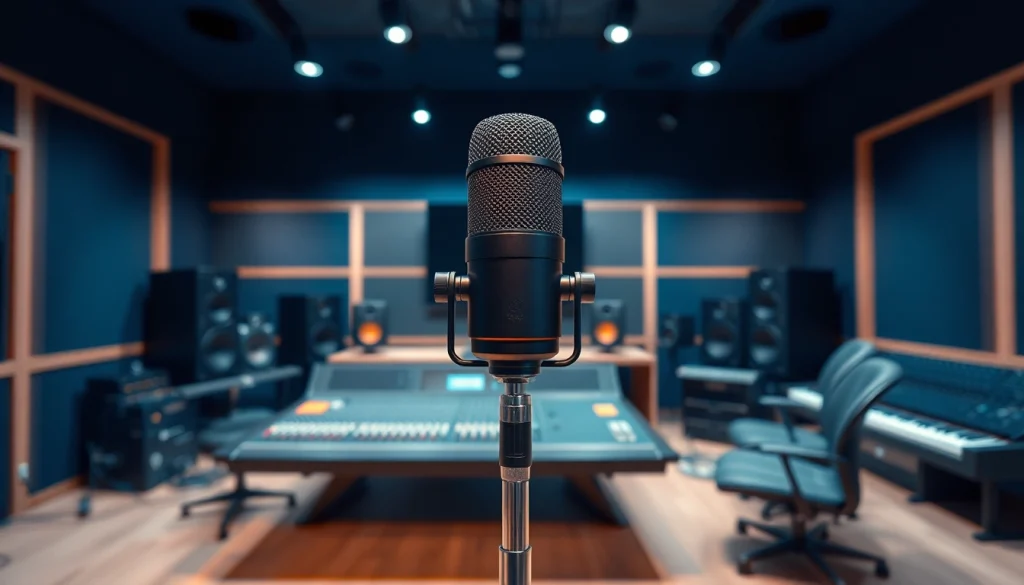
The world of audio recording is highly competitive, with quality equipment being a crucial factor in achieving professional sound. Among the myriad of choices available, the CM88 microphone stands out as a versatile tool for musicians, podcasters, and audio engineers alike. With its impressive specifications and user-friendly design, the CM88 offers a robust solution for those looking to elevate their recording experience. When exploring options, CM88 provides comprehensive insights into this exceptional microphone.
The Importance of High-Quality Microphones
In the realm of audio production, the quality of microphones can significantly impact the overall sound. High-quality microphones capture nuances and dynamics that lesser models may miss, ensuring a richer and more engaging listening experience. Whether you are recording vocals, drums, or various instruments, investing in a superior microphone like the CM88 can lead to professional results and minimize post-production work.
Key Features of the CM88
- High Sensitivity: The CM88 boasts a high sensitivity rating, making it perfect for capturing quiet sounds without excessive background noise.
- Wide Frequency Response: With a broad frequency range, the microphone can accurately reproduce sounds from deep bass to high treble, catering to various recording needs.
- Cardioid Pattern: Its cardioid polar pattern helps isolate sound sources while rejecting ambient noise, making it ideal for studio and live settings.
- Durability: Designed with robust materials, the CM88 is built to withstand the rigors of frequent use, ensuring longevity.
Comparing CM88 with Competitors
When comparing the CM88 with other microphones in its class, it is essential to consider factors such as price, sound quality, and versatility. For instance, while some competitors may offer similar pricing, they may not provide the same level of sound fidelity or features. The CM88’s combination of affordability and professional-grade performance sets it apart in the marketplace.
Setting Up Your CM88 for Optimal Performance
To achieve the best results with the CM88, proper setup and adjustment are vital. Understanding the essential equipment and best practices for microphone placement can drastically improve your recording quality.
Essential Equipment for Recording
- Audio Interface: A high-quality audio interface is crucial for converting the analog signal from the CM88 into digital format for recording.
- XLR Cable: Utilize a sturdy XLR cable to connect your microphone to the audio interface, ensuring minimal signal loss.
- Microphone Stand: A reliable stand helps stabilize the microphone during recording, allowing for hands-free operation.
Best Practices for Microphone Placement
Microphone placement plays a significant role in the sound quality of the recording. For optimal performance, consider the following placement tips:
- Position the microphone about six inches from the sound source to capture a clear sound while minimizing plosives.
- Experiment with angles to find the best sound, especially when recording instruments.
- Ensure the microphone is at ear level for vocals to capture a natural tone.
Adjusting Settings for Different Sound Environments
Each recording environment has its unique characteristics. Adjusting the settings on your audio interface according to the environment can help optimize sound capture. In live situations, be prepared to tweak the gain and EQ settings to accommodate the acoustics of the room.
Recording Techniques Using the CM88
Mastering recording techniques with the CM88 will enhance your production’s clarity and depth. Utilizing the microphone effectively is crucial for bringing out the best in your audio projects.
Capturing Vocals with Clarity
To capture vocals effortlessly, it is essential to maintain a consistent distance from the microphone. Encourage vocalists to use proper technique, including breath control and enunciation, to achieve a balanced sound. Additionally, employing pop filters can help reduce plosive sounds that can distort the recording.
Utilizing the CM88 for Instrument Recording
When recording instruments, the CM88’s versatile design shines. For instance, when recording guitar amplifiers, place the microphone close to the speaker cabinet to capture the full tonal range. For strings or percussion instruments, try various placements to find the most natural sound.
Creating a Balanced Sound Mix
A balanced sound mix requires careful attention to levels and EQ settings. During the mixing process, utilize the CM88’s capabilities by layering tracks and adjusting each microphone’s volume to achieve clarity and cohesion in the final product.
Common Challenges and Solutions in Using the CM88
Despite its capabilities, using the CM88 may present some challenges. Addressing these issues proactively can ensure a smooth recording experience.
Addressing Frequency Response Issues
Frequency response issues can arise when recording certain instruments or vocals. To mitigate this, utilize EQ adjustments during mixing to enhance or diminish specific frequencies captured by the CM88, tailoring the sound to your preference.
Overcoming Background Noise Challenges
Background noise can be a persistent challenge in any recording environment. To minimize this, choose a quiet location for recording, use soundproofing materials, and ensure proper microphone placement to isolate the sound source.
Maintenance Tips for Longevity
To extend the lifespan of your CM88, follow these maintenance tips:
- Store the microphone in a protective case when not in use.
- Regularly clean the microphone head to avoid debris build-up.
- Check cables and connections for wear and replace them as needed.
The Future of Audio Recording: What to Expect by 2026
As technology evolves, so does the landscape of audio recording. Understanding emerging trends can help you stay ahead in your audio production endeavors.
Emerging Trends in Audio Technology
By 2026, expect to see significant advancements in audio technology, including improved wireless microphone systems and audio interfaces that incorporate advanced features such as real-time monitoring and enhanced digital effects.
Integrating AI and Machine Learning in Recording
The integration of AI and machine learning into recording equipment will likely optimize sound quality and streamline the editing process. Expect to see software that automatically adjusts levels and applies effects based on the audio input.
Preparing for the Next Generation of Sound Equipment
Preparing for the next generation of sound equipment means staying informed about new products and technologies. This knowledge will not only enhance your recording skills but also keep your audio production relevant in an ever-changing market.